Image Sabotage
Unfolding the mediated reality
Many contemporary AI models are built to predict what is most probable, optimizing for efficiency and accuracy; art and design, by contrast, explore what is possible, operating through ambiguity, abstraction, and interpretation.
Trained on dominant patterns across vast internet datasets, these models raise an essential question: which voices are excluded from this shared language? Bias in AI is therefore not only an ethical concern but a representational one, shaping what can be seen, described, and imagined.
This workshop investigates how AI might be repurposed as a creative medium to reveal alternative realities and surface marginalized perspectives. Participants treat AI as a medium rather than a neutral tool, constructing their own situated viewpoint from a shared dataset of domestic spaces. Through customized search and image-generation workflows, they create a composite media projection that reveals how AI organizes domestic reality — and where alternative narratives begin to emerge.
Workshop lead
Jimmy Wei-Chun Cheng is a designer, researcher, and educator working at the intersection of architecture, artificial intelligence, and media theory. He is currently a faculty member in the School of Architecture at Carnegie Mellon University and a Lead Organizer of the AI Architecture Symposium, Playing Models. Prior to joining CMU, he taught studios, workshops, and seminars at UCL Bartlett, the Boston Architectural College, the Rhode Island School of Design, and the Architectural Association Visiting School Seoul. Cheng’s research investigates how digital media and technology transform the architectural design process, with a particular emphasis on digital representation in the context of Artificial Intelligence. His work delves into how AI affects the meaning of language, imagery, and form, analyzing these impacts through the frameworks of semiotics, media theory, and simulation.
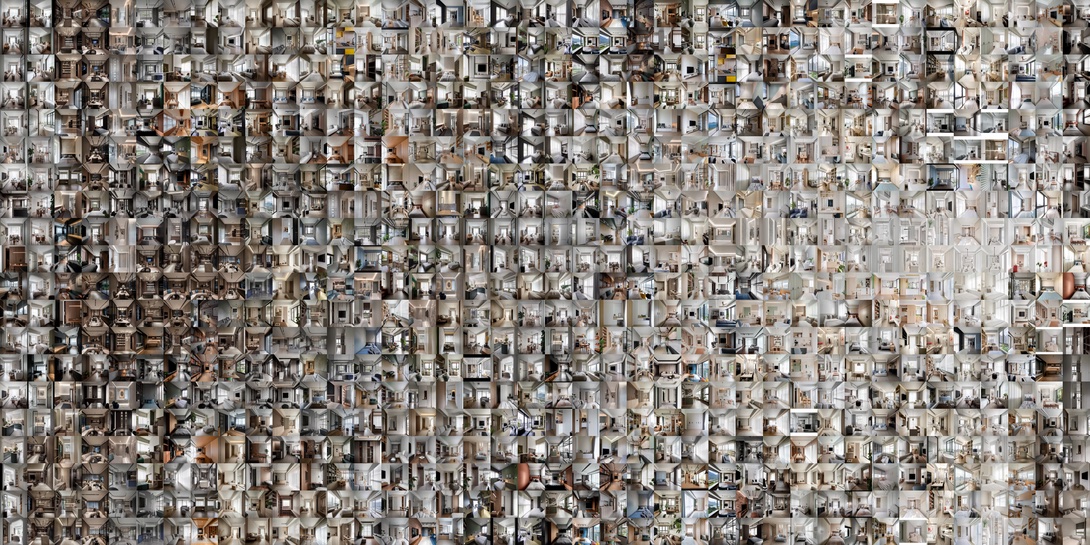
Fig. 01 — Digital Landscape of Domestic Spaces, Jimmy Wei-Chun Cheng